

What are Cervicogenic Headaches?
Cervicogenic headache is head pain that originates from structures in the neck, specifically the joints, muscles, and nerves of the upper cervical spine. Unlike migraines, which are primarily a neurological condition, cervicogenic headache has a clear physical source: dysfunction in the top three segments of the cervical spine that refers pain into the head.
It is one of the most frequently misdiagnosed headache types. Patients are often told they have tension headaches, migraines, or that their scans are normal and there’s nothing structural causing their pain. In many cases, the underlying cervical dysfunction is simply not being assessed with the right tools.
Cervicogenic headache can develop following a neck injury such as whiplash, through years of postural loading from desk work or screen use, or as a result of degenerative changes in the cervical spine. It can also occur alongside true migraine, which is part of what makes it difficult to diagnose without a targeted clinical assessment.
Cervicogenic headaches often stem from issues in the neck or upper cervical spine. This type of headache may be triggered by injury, misalignments in the musculoskeletal system or an underlying disorder such as arthritis.
For many people, the discomfort may linger for hours or even days, making it harder to focus, rest, or feel at ease.

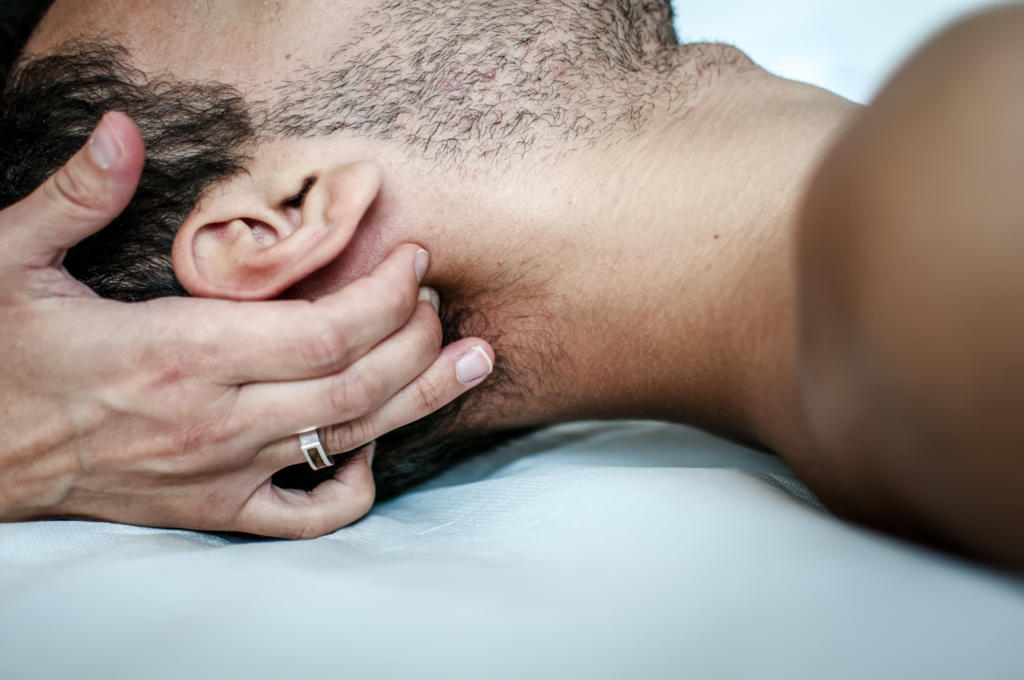
Symptoms of a Cervicogenic Headache
Cervicogenic headache can feel similar to other headache types, which is a large part of why it’s so often missed. Symptoms commonly include:
- Head pain that starts in the neck or base of the skull and radiates forward
- Pain that is typically one-sided, though it can shift sides
- Neck stiffness or restricted movement, particularly when rotating or tilting the head
- Shoulder or upper arm pain on the same side as the headache
- Dizziness or a feeling of unsteadiness
- Nausea
- Sensitivity to light or noise during an episode

FAQ regarding cervicogenic headaches
The three most common misdiagnoses are tension-type headache, migraine, and vestibular migraine. Cervicogenic headache shares features with all three: it can cause throbbing pain, light and noise sensitivity, dizziness, and nausea, which are also migraine symptoms. The key distinguishing features are that cervicogenic headache is consistently associated with neck stiffness or restricted movement, that the pain can usually be reproduced by applying pressure to specific points in the upper cervical spine, and that it is often one-sided and originates at the base of the skull rather than starting in the head itself.
It’s also worth noting that cervicogenic headache and migraine can coexist. Some patients have both, which is one reason why treating only one component doesn’t always provide complete relief.
For some patients, yes. Sustained postures that load the upper cervical spine, particularly prolonged screen work with the head held forward, can aggravate cervicogenic symptoms. Improving workstation setup, building neck and shoulder strength, and managing sleep position can all reduce frequency and severity for some people.
That said, lifestyle changes address contributing factors rather than the underlying dysfunction. For patients with established cervicogenic headache, manual assessment and treatment of the upper cervical joints is typically needed alongside any lifestyle modifications to achieve meaningful, lasting change.
Your first appointment begins with a detailed clinical history. We want to understand how long you’ve had headaches, what they feel like, what triggers them, what makes them better or worse, and what you’ve already tried. This context shapes everything that follows.
From there, your clinician will carry out a hands-on assessment of the upper cervical spine. This involves systematically testing the joints at the top of the neck to determine whether they reproduce your typical head pain, and if so, which specific segments are involved. That information is diagnostic and directly guides your treatment plan.
By the end of the appointment you’ll have a clear explanation of what was found, whether cervicogenic headache appears to be a driver of your symptoms, and what a course of treatment would involve.
Several factors are associated with higher risk. A history of neck injury, including whiplash from a car accident or impact from sport, is one of the most common. Prolonged desk work or driving, particularly with sustained forward head posture, places ongoing load on the upper cervical joints and can contribute over time. Previous neck surgery or degenerative cervical spine changes are also relevant. Some people have a structural predisposition based on joint mobility and muscle control patterns that make them more susceptible to upper cervical dysfunction under load.