

What are Vestibular Migraines?
Also known as migraine-associated vertigo, vestibular migraine is a migraine disorder where the primary symptoms are dizziness, vertigo, and balance disruption rather than head pain. Headache may be absent entirely. This is why it is one of the most commonly missed migraine diagnoses: patients who don’t have the headache don’t think to connect their symptoms to migraine, and without that connection, they often spend years being assessed for inner ear conditions or anxiety instead.
A significant proportion of people who experience migraines also develop vestibular symptoms at some point, many without realising there is a link.
The vestibular system is a sensory structure located in the inner ear that is responsible for keeping the body balanced, stabilising the head and body during movement, and maintaining posture. Any disruption to this system may result in a vestibular migraine.
Around 55% of migraine sufferers will also experience vestibular symptoms at some point.

Symptoms of Vestibular Migraines
While vestibular migraine symptoms are the same as those of traditional migraine headaches, vertigo and dizziness will be more prominent. Symptoms may last for a few minutes to a few days, with some people not getting a break between attacks (known as chronic vestibular migraines).
Other symptoms that may be experienced include:
- Throbbing headache (usually on one side of the head)
- Vertigo (a spinning sensation) and/or dizziness
- Impaired balance
- Nausea and/or vomiting
- Motion sensitivity
- Blurred vision or visual disturbances (such as a visual aura)

- Sensitivity to light and/or sound
- Perceived hearing loss and/or tinnitus
- Pressure or fullness in the ear
- Anxiety
Causes of Vestibular Migraines
The prevailing understanding is that vestibular migraine involves sensitisation of the trigeminocervical nucleus, the brainstem structure implicated in all migraine types. When this system becomes sensitised, normal signals from the vestibular system in the inner ear are misread as threatening, producing symptoms of vertigo, dizziness, and imbalance even without a headache trigger.
Dysfunction in the upper cervical spine is a significant contributing factor to this sensitisation. This is why assessment and treatment of the upper cervical joints is a clinically relevant pathway for vestibular migraine, and why patients who have been told their dizziness is purely an inner ear problem sometimes find that cervical treatment produces meaningful change.
There are also certain risk factors to consider. Women are more likely to suffer from vestibular migraine than men, and there is some evidence to suggest that they run in families.
Other common migraine triggers include:
- Hormonal changes (such as menstruation)
- Stress
- Lack of sleep
- Certain foods or drinks
- Quick movements of the head or body
- Driving or riding in a vehicle
- Watching movement around you (such as on television)
How are Vestibular Migraines treated?
Treatment for vestibular migraines is typically similar to that for other types of headache. Your clinician will develop a personalised treatment plan that aims to target the cause of your condition. Some of the options that may be explored include:
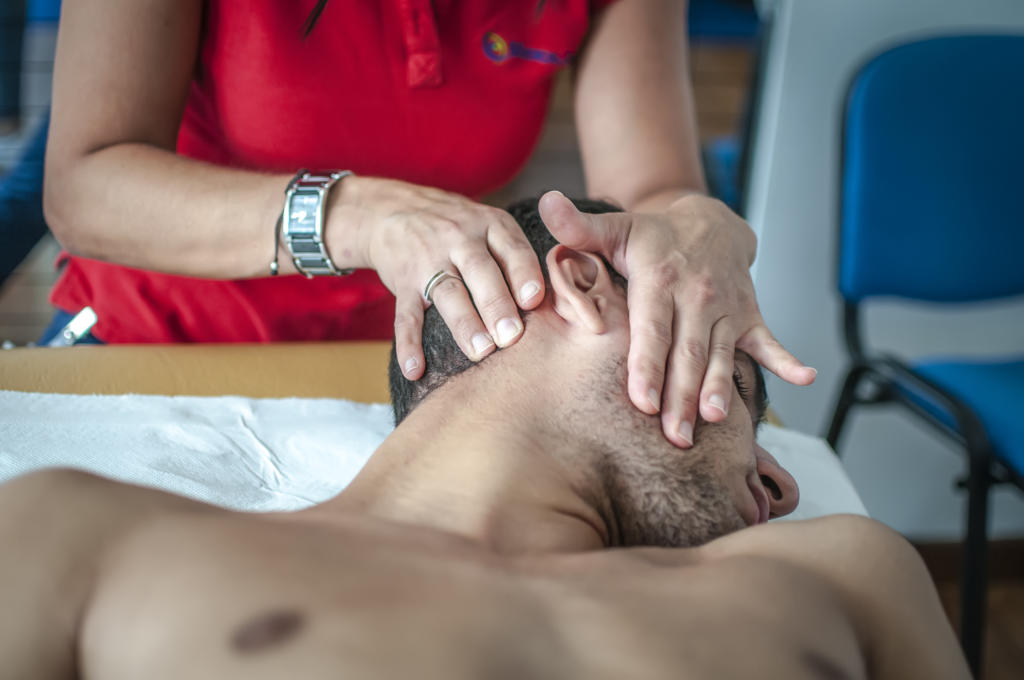
- Watson Headache® Approach: A manual therapy approach that targets dysfunction in the upper cervical spine, specifically the joints at the top of the neck that connect to the brainstem. By identifying and treating the segments contributing to trigeminal sensitisation, the Watson Headache Approach works to reduce the brainstem’s over-responsiveness that drives vestibular symptoms. For vestibular migraine patients whose symptoms have not been explained by inner ear testing alone, this cervical component is often the missing piece.
- Vestibular Rehabilitation: This therapy aims to reduce a person’s motion sensitivity and address balance issues. The goal is to help the vestibular system adjust or find alternative pathways.
- Lifestyle Changes: Managing vestibular migraine triggers through lifestyle is an important part of overall care. Regular exercise, consistent sleep patterns, regular meals, and reducing known dietary triggers can all reduce attack frequency for some patients. Your clinician can help you identify which factors are most relevant for your presentation.
- Supplements: There is evidence that taking supplements may help treat and prevent migraines. These include magnesium threonate, Vitamin B2, Coq10, Vitamin D, Omega 3, and Curcumin.
- Medications: Pharmacological management for vestibular migraine is best discussed with your GP or neurologist, who can advise on appropriate acute and preventive options for your specific presentation. One consideration worth raising with your prescribing doctor is that some medications which suppress vestibular function may affect the brain’s ability to compensate for vestibular disruption over time. Our treatment works alongside any medication regimen.
FAQ regarding vestibular migraines
There is no specific test for these headaches. Instead, they’re primarily diagnosed through a detailed history of your symptoms. Your clinician may also order diagnostic tests (such as an MRI or CT scan) and vestibular function tests to rule out other potential causes for your pain.
Unfortunately, there’s still a lot that we don’t know about vestibular migraines and why they occur. It’s believed, however, that there may be interactions between the pain and balance pathways in the brain that don’t occur during a typical migraine attack.
Yes, several other vestibular disorders may present similarly to vestibular migraines, including benign paroxysmal positional vertigo (BPPV), which is an inner ear disorder; Meniere’s Disease, another inner ear disorder; and transient ischemic attack (TIA), also known as a ‘mini-stroke’.