
Treatment, Timeframes + Evidence Based Advice
Initial Steps to Recovery
Concussion is a traumatic brain injury induced by biomechanical forces, which may be caused either by a direct blow to the head, face, neck or elsewhere on the body with an impulsive force transmitted to the head.
Rest in the early phase of the injury, especially in the first 24-48 hours, plays a crucial role in recovery. New evidence suggests however that getting physically active early (after an initial 1-2 days of rest) may facilitate a quicker recovery.
Early exercise in this case may be as easy as a daily walk and as a rule, should NOT further aggravate symptoms. Speak with your Physician before returning to sport or any activity that poses a risk of head contact.
Concussions may also require a level of cognitive rest in the early stages. Tasks requiring attention, concentration and visual effort require considerable energy (work) to accomplish.
Engaging in these tasks prematurely may cause symptoms to worsen and prolong recovery, which is why modifications to your school or work routines may be required.
The more energy a concussed individual spends on school tasks, work obligations, or video games, the less energy there is available to help the brain repair itself.
What to Avoid + Expect
Return to Work/School
Sleep
Avoid
Safe Alternatives
Your concussion treatment will be individualised and may include
A brain injury can be traumatic and overwhelming, but with support from the Melbourne Headache + Concussion Group, we will help ensure you’re on the right track to recovery.
- Computerised testing (Swat Medical & RightEye)
for balance, vision and cognition - Osteopathic assessment & hands-on treatment (i.e. massage, stretching and joint mobilisation)
- Return to school/work advice
- If an athlete AIS-aligned return-to-play planning
- Supplement guidance to support brain recovery
- Eye exercises
- Dizziness + Balance training
- Exercise pacing
Recovery Timeframe
Most concussions resolve within a short time frame but some may persist up to a month or longer. A small percentage of individuals may go on to experience Post Concussion Syndrome – a term used to describe the persistence of concussion-related symptoms beyond the expected recovery time frame.
It is normal to feel frustrated, sad, or angry during your recovery because you cannot return to sports, work, or academic activities right away.

When can I return to sport?
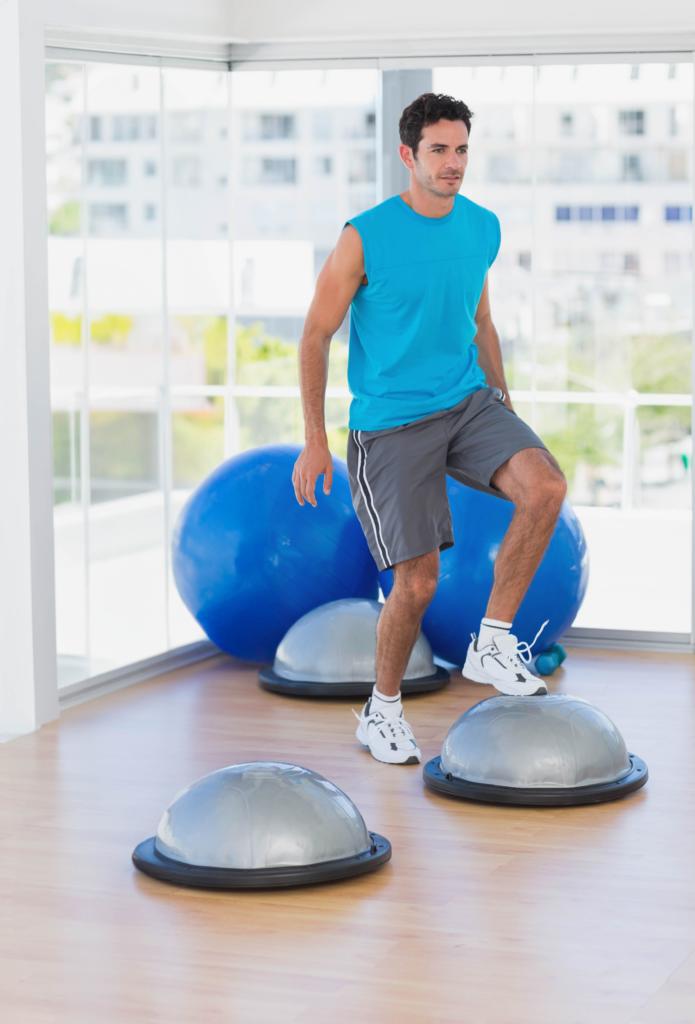
When it is safe for an athlete to return to play contact or collision sports after symptoms of concussion clear depends on many factors, including the athlete’s age, baseline test data, time symptoms take to clear and severity, and concussion history.