

What are Vestibular Migraines?
Also known as migraine-related vertigo or migrainous vertigo, this is a type of headache disorder that causes vestibular or balance symptoms, with or without an actual headache. In fact, it is more common for people to not have a headache during a vestibular migraine attack. At Melbourne Headache and Concussion Group, this is something we’ve heard from many of our patients, many of whom don’t realise they’re actually experiencing a type of migraine.
The vestibular system is a sensory structure located in the inner ear that is responsible for keeping the body balanced, stabilising the head and body during movement, and maintaining posture. Any disruption to this system may result in a vestibular migraine.
Around 55% of migraine sufferers will also experience vestibular symptoms at some point.

Symptoms of Vestibular Migraines
While vestibular migraine symptoms are the same as those of traditional migraine headaches, vertigo and dizziness will be more prominent. Symptoms may last for a few minutes to a few days, with some people not getting a break between attacks (known as chronic vestibular migraines).
Other symptoms that may be experienced include:
- Throbbing headache (usually on one side of the head)
- Vertigo (a spinning sensation) and/or dizziness
- Impaired balance
- Nausea and/or vomiting
- Motion sensitivity
- Blurred vision or visual disturbances (such as a visual aura)

- Sensitivity to light and/or sound
- Perceived hearing loss and/or tinnitus
- Pressure or fullness in the ear
- Anxiety
Causes of Vestibular Migraines
While the exact cause of vestibular migraines is not completely understood, several theories are being explored. The prevailing theory is that they’re caused by abnormalities in the upper cervical spine, leading to a widening of the blood vessels in and around the brain (specifically near the area that triggers vertigo).
There are also certain risk factors to consider. Women are more likely to suffer from vestibular migraine than men, and there is some evidence to suggest that they run in families.
Other common migraine triggers include:
- Hormonal changes (such as menstruation)
- Stress
- Lack of sleep
- Certain foods or drinks
- Quick movements of the head or body
- Driving or riding in a vehicle
- Watching movement around you (such as on television)
How are Vestibular Migraines treated?
Treatment for vestibular migraines is typically similar to that for other types of headache. Your clinician will develop a personalised treatment plan that aims to target the cause of your condition. Some of the options that may be explored include:
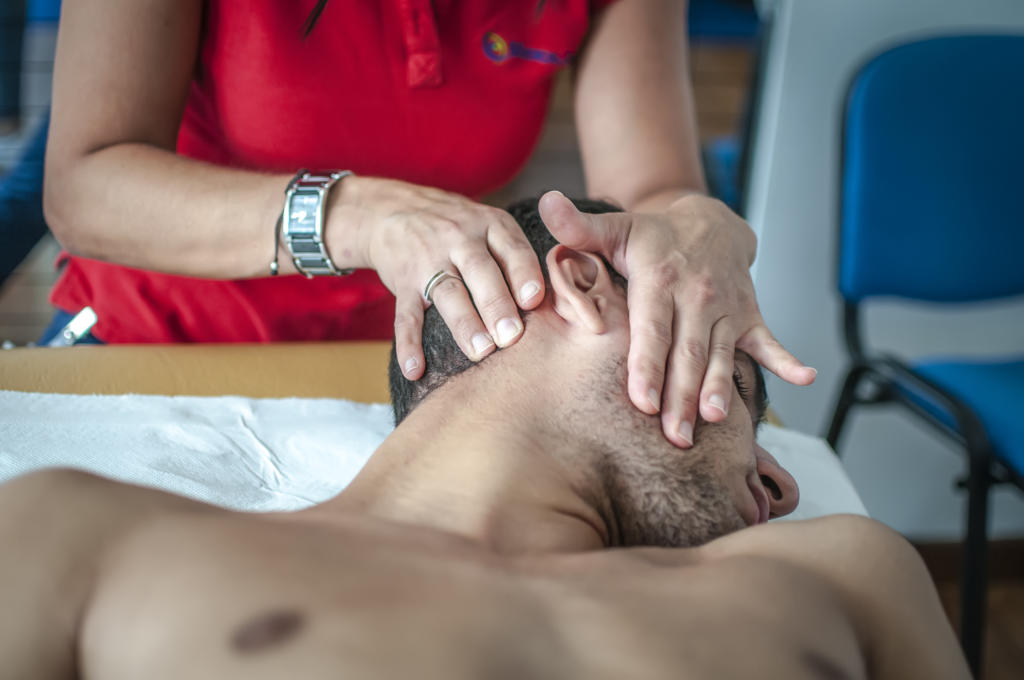
- Watson Headache® Approach: With over 80% of migraines caused by dysfunction in the neck’s upper three vertebral joints, this manual therapy seeks to address the disorder to desensitise the brainstem.
- Vestibular Rehabilitation: This therapy aims to reduce a person’s motion sensitivity and address balance issues. The goal is to help the vestibular system adjust or find alternative pathways.
- Lifestyle Changes: Some people find that making changes to avoid their triggers reduces or even prevents vestibular migraines. This includes regular exercise, avoiding certain foods or drinks, eating regular meals, consistent sleep patterns, and losing weight.
- Supplements: There is evidence that taking supplements may help treat and prevent migraines. These include magnesium threonate, Vitamin B2, Coq10, Vitamin D, Omega 3, and Curcumin.
- Medications: Triptans, anti-inflammatories, and anti-nausea medications may help relieve symptoms during an attack. Preventive medications (such as antidepressants) may also be used. Medications that suppress the vestibular system should be minimised.
FAQ regarding vestibular migraines
There is no specific test for these headaches. Instead, they’re primarily diagnosed through a detailed history of your symptoms. Your clinician may also order diagnostic tests (such as an MRI or CT scan) and vestibular function tests to rule out other potential causes for your pain.
Unfortunately, there’s still a lot that we don’t know about vestibular migraines and why they occur. It’s believed, however, that there may be interactions between the pain and balance pathways in the brain that don’t occur during a typical migraine attack.
Yes, several other vestibular disorders may present similarly to vestibular migraines, including benign paroxysmal positional vertigo (BPPV), which is an inner ear disorder; Meniere’s Disease, another inner ear disorder; and transient ischemic attack (TIA), also known as a ‘mini-stroke’.